January 2026 · A List of Open Questions
The editorial desk began by collecting the questions that households, office managers and property teams in Berlin raised most often about cleaning scope, access and documentation.
Natura · Berlin · 2026
Natura is an editorial platform about professional cleaning, building care and the decisions that shape healthier, more usable rooms. We explain methods, planning questions and everyday standards in plain English for readers in Germany.
Explore the Guides
The homepage is organised as a short reading map. Each link below jumps to a section further down.
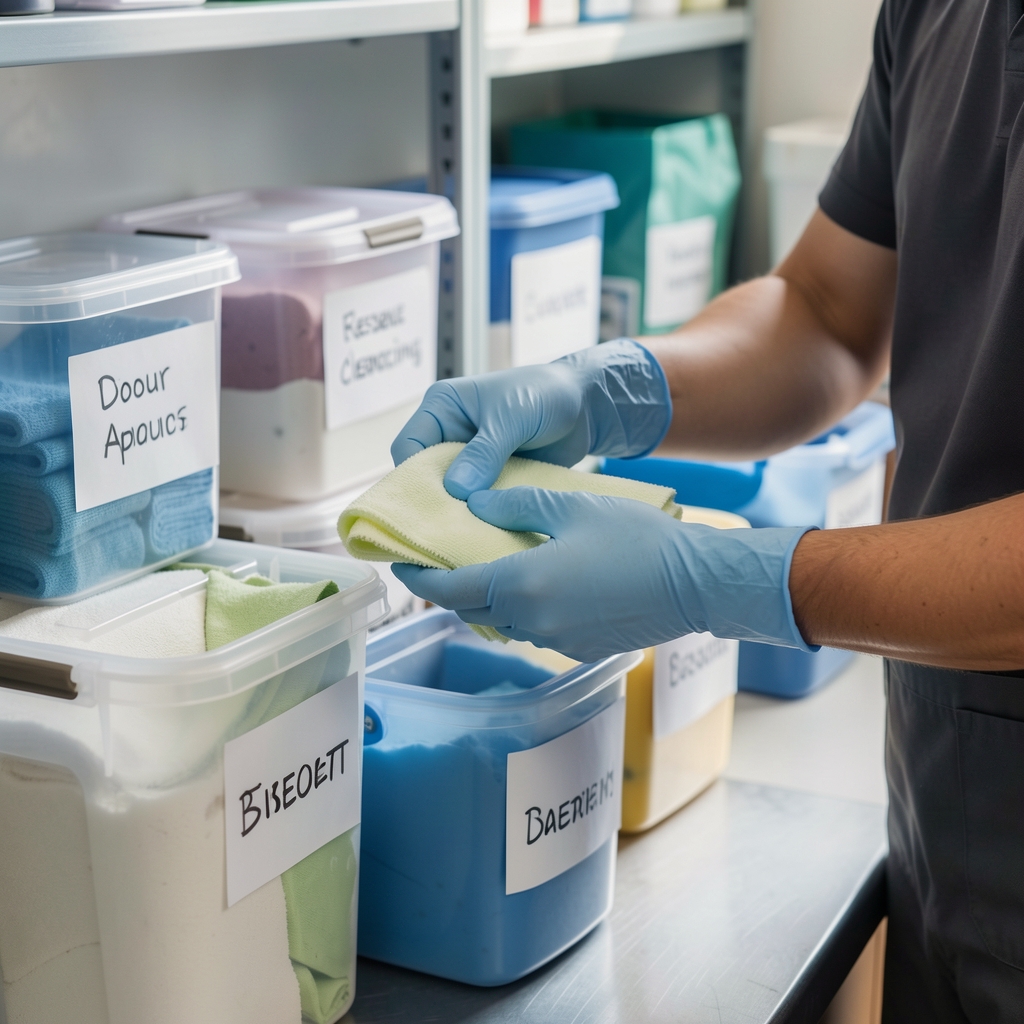
Cleaning is often discussed as a visible result, yet the durable work is a system: knowing what a surface is made of, recording what has been done, and noticing where a room is used differently than expected.
Natura brings together practical field vocabulary, short explainers and planning templates for readers who want a calmer way to understand premises care.
Read Our MethodologyA short account of the steps that shaped the platform, from a list of open questions to the reference pages available today.
The editorial desk began by collecting the questions that households, office managers and property teams in Berlin raised most often about cleaning scope, access and documentation.
Terms such as dwell time, material compatibility and handover note were defined in a shared glossary so that every article could use them in the same way.
The first long-form guides and printable checklists were added, covering residential rooms, shared offices, move-in preparation and seasonal maintenance.
Pages on documentation standards, eco-conscious methods and regional notes for German cities completed the current structure of the platform.
A frequently handled area such as a door lever, rail or shared control. It deserves attention based on use, not appearance alone.
The period a cleaning solution remains on a surface according to its instructions. It is a process detail, not a promise of an outcome.
A concise record of completed work, observations and items that require follow-up by the responsible team.
The relationship between a surface and a method, including finish, moisture tolerance and manufacturer guidance.
The table summarises how usage patterns change the questions worth asking. Each row links to the page that discusses the topic in more detail.
| Type of Premises | Typical Use Pattern | Planning Question | Read More |
|---|---|---|---|
| Private apartment | Daily living, varied surfaces | Which materials need gentler handling? | Residential care |
| Office floor | Weekday occupancy, shared equipment | When can work happen without disrupting teams? | Office care |
| Retail or hospitality space | Public access, frequent contact | Which areas are touched most often? | Commercial premises |
| Property between tenants | Vacant, handover deadlines | What condition should be documented? | Move-in preparation |
| Seasonal reset | Periodic, wider scope | Which tasks fit a yearly rhythm? | Deep cleaning |
Describe the room and its use before describing any method.
Prefer a clear note on scope over an impressive-sounding promise.
Name the limits of a method as plainly as its purpose.
Write for the person who has to carry the plan out on an ordinary weekday.
In everyday speech the word describes how a room looks. In facility planning it describes a defined scope, performed with a stated method, at an agreed frequency.
Our articles keep that distinction visible, so readers can compare descriptions without relying on general impressions.
See the Standards Page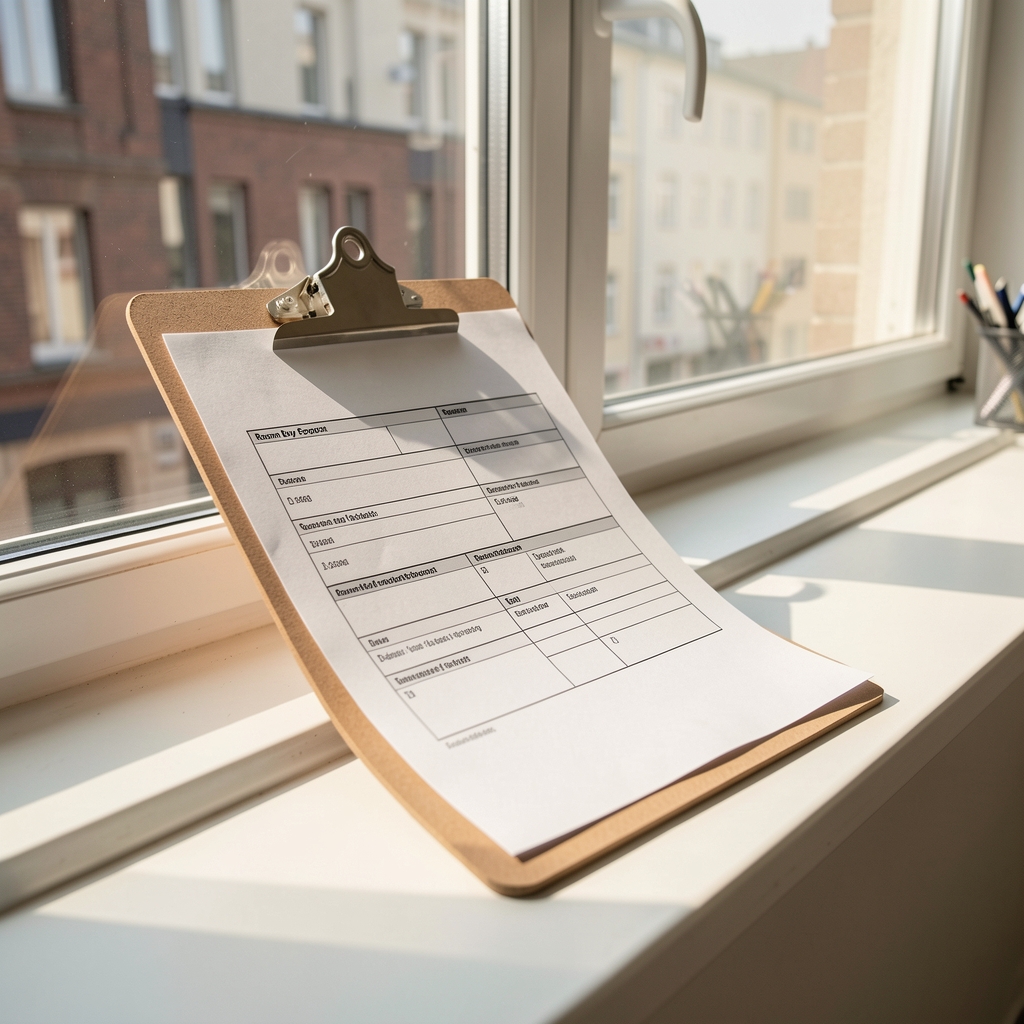
Foot traffic, weather and shared contact points create a changing set of conditions that a general routine rarely covers.
Read the journalSimple notes help teams notice patterns before they turn into repair questions.
View standardsInstructions, surface notes and ventilation advice on a label explain more than the front-of-pack wording.
Explore methodsQuestions about scope, access and records often shape a plan more than the wording of a service description.
Send a questionNatura's pages are prepared by a small desk in Berlin. Each role below describes the responsibility, not an individual profile.

Reviews cleaning schedules, access arrangements and handover notes for offices and shared buildings.
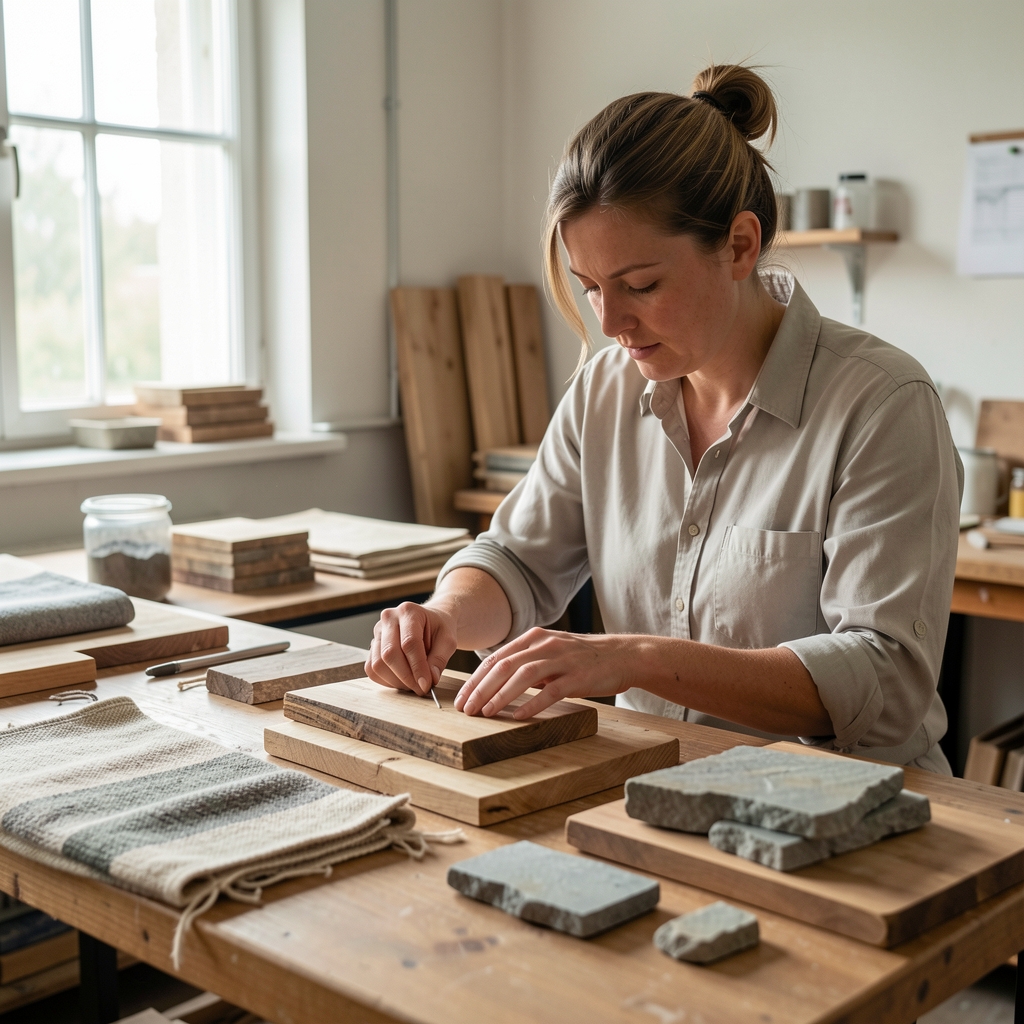
Checks manufacturer guidance on finishes and explains how surface type affects the choice of method.

Collects the questions sent through the contact page and turns recurring ones into new explainers.
Use determines traffic, touch points, privacy and the acceptable time for maintenance.
Stone, timber, textiles, metal finishes and sensitive equipment may each require a different approach.
A short date, scope and observation note creates a shared reference for households and teams.
The full question page and the resources section cover additional topics in more detail.
Browse the practical pages or send Natura a question about how a cleaning plan is described and documented. The editorial desk is based at Hauptstraße 15, 10117 Berlin, Germany, and can be reached by phone on +49 30 5238 9174.
Contact Natura Open the Checklist