Apartment Buildings
Shared entrances, stairwells, bins and changing weather patterns. In many German buildings, house rules set out who handles which area and how often, and these arrangements shape what a resident can expect.
Buildings across Germany vary by age, climate, material and use. Natura is based in Berlin and uses local examples to explain principles that readers can adapt to their own setting.
A turn-of-the-century Altbau with timber floors and a courtyard behaves differently from a postwar block with linoleum corridors or a recent office with sealed concrete. This page describes the kinds of premises the platform writes about and the regional factors that most often shape a plan.
Ask About Your Setting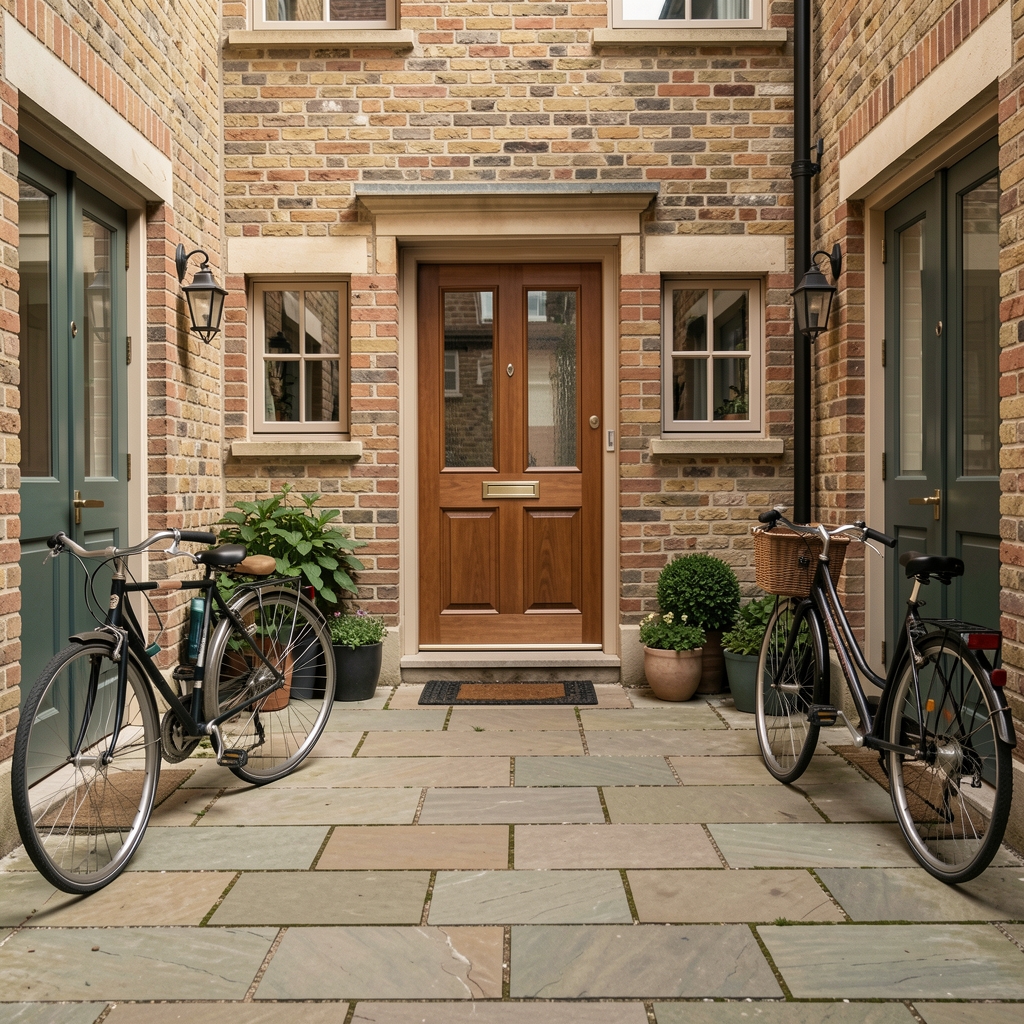
Three kinds of premises appear most often in our reference pages. Each has its own mix of materials, users and responsibilities, which is why the platform treats them separately.
Shared entrances, stairwells, bins and changing weather patterns. In many German buildings, house rules set out who handles which area and how often, and these arrangements shape what a resident can expect.
Meeting rooms, kitchens, equipment and access windows. Offices in Berlin range from converted factory floors to compact studios, and each layout changes the order in which areas are considered.
Different users, materials and responsibilities in one address. A ground-floor shop, a first-floor practice and upper-floor apartments may share a staircase while following different routines.
Climate and building tradition leave a clear mark on premises care. The table lists factors that appear regularly in correspondence from readers across Germany, together with the kind of question each one raises.
| Factor | Where It Is Often Seen | Question Worth Asking |
|---|---|---|
| Wet autumn and winter weather | Entrances, stairwells and lift floors | Where do mats and drying areas sit? |
| De-icing material in winter | Thresholds and ground-floor corridors | Which floor finishes are sensitive to residue? |
| Altbau timber floors and high ceilings | Older apartments in Berlin and other cities | Which finish is on the floor and how does it respond to moisture? |
| Courtyards and shared bins | Apartment blocks with inner yards | Who is responsible for each part of the shared space? |
| Heating season and dry indoor air | Offices and homes from October to April | How do ventilation habits affect materials? |
| Bicycle storage | Entrances, basements and courtyards | How are wet tyres and mud kept from other rooms? |
Address, building type and access arrangements should be described precisely. Contact Natura at Hauptstraße 15, 10117 Berlin, Germany for editorial correspondence.
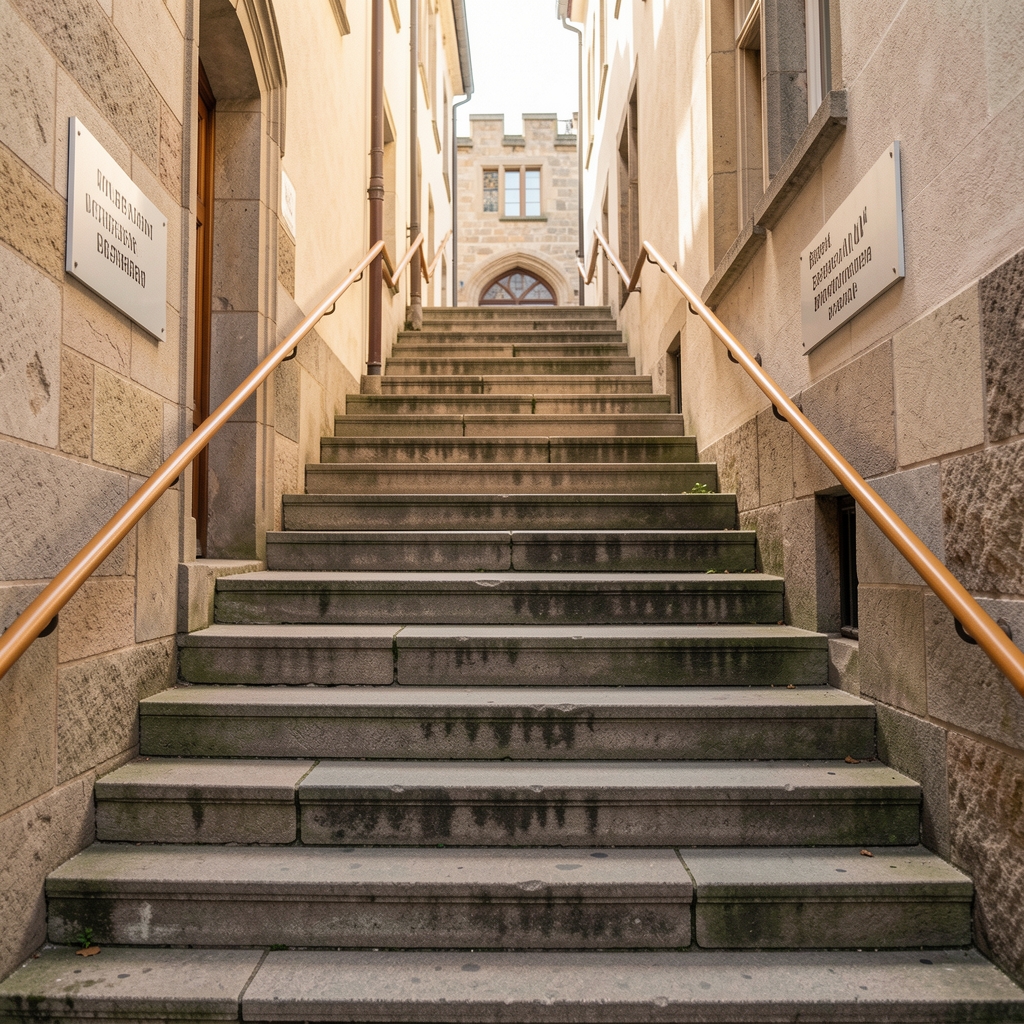
A few lines of detail often make a difference: the number of floors, whether there is a lift, the surface of the entrance hall and the position of the nearest ventilation window. Where a building is listed or subject to specific conservation requirements, this is worth noting at the start.
Examples from Berlin are a starting point, not a template. Climate, building age and local arrangements differ across Germany, and a careful reader will compare each example with the conditions in their own street, building and room.
This is why the platform names the conditions behind each example. A description of a cold, wet week in a Berlin courtyard is useful to a reader in Hamburg or Munich only if they can tell which parts of the account depend on the setting and which parts apply more widely.
Readers sometimes write to the editorial desk with a question about their own building. The steps below describe the information that makes a reply most useful. None of it needs to be exact; a rough description is a good start.
The desk replies in general terms and points to relevant pages. It does not carry out site visits or give binding advice, and for questions that depend on a specific building it will suggest speaking to a property manager or a qualified professional.
The desk is in Berlin and many examples come from the city, but the principles are written for premises across Germany. Readers elsewhere can adapt them to local conditions.
Often, yes. Historic materials and finishes may need gentler methods, and some buildings have conservation requirements. The pages encourage readers to check with the owner or a specialist.
No. Natura is an information resource and does not rank, rate or recommend individual providers.
Natura, Hauptstraße 15, 10117 Berlin, Germany. Telephone +49 30 5238 9174. Messages through the contact page are read by the editorial desk.
Contact Natura Residential Care